The electronic cigarette resistor (resistor) is an essential component of the electronic cigarette. It heats the atomized e-liquid to produce an aerosol, offering the user a tasty vaping experience.
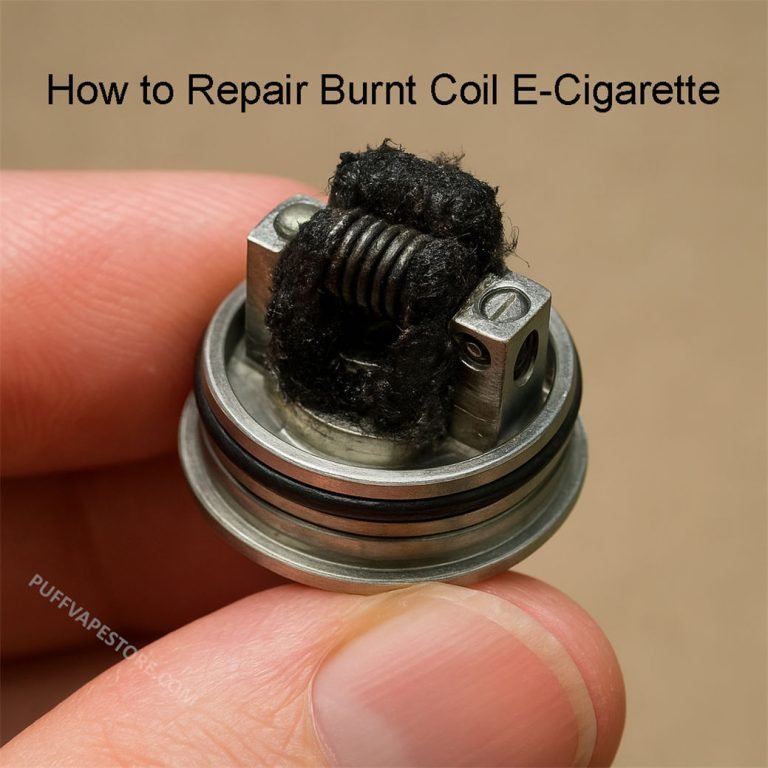
However, prolonged use or improper handling can lead to carbonization, breakage or the formation of carbon deposits.
Repairing a burnt resistor requires certain skills and tools, but for users of rebuildable atomizers, this operation is both economical and easy to use.
However, if the resistor is badly damaged, replacing it with a new one is often safer and more efficient.
How electronic cigarette resistors work
The resistor is the main heating element in the atomizer and the main consumable to be replaced regularly in most rechargeable electronic cigarette kits. In prefabricated atomizer resistors (ready-to-use resistors), the resistor is disposable; in rebuildable atomizers (RBA, RTA, RDA), the user can wind the resistor and replace the cotton wick himself, enabling repeated use.
1. Structural composition
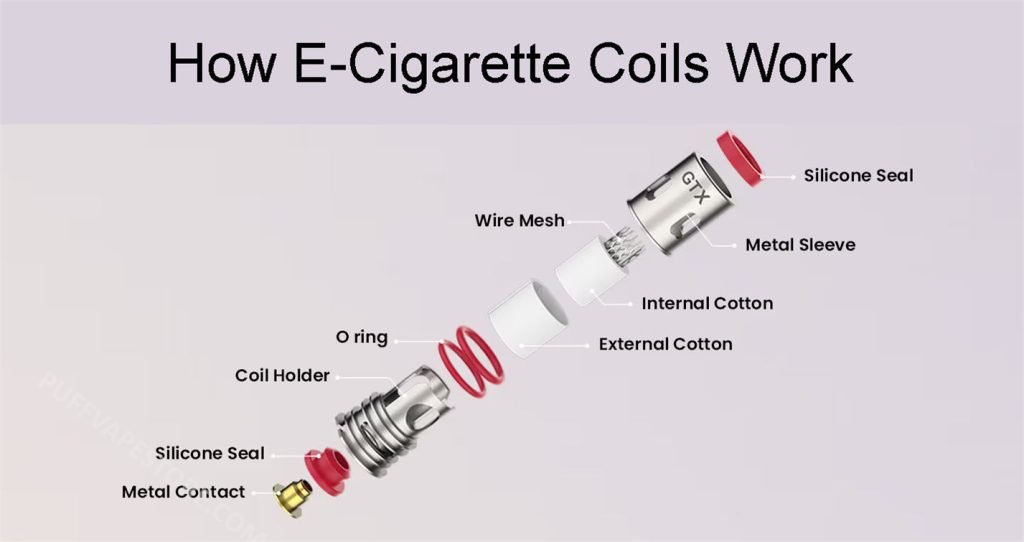
A classic electronic cigarette resistor consists of the following components:
- Metal shell The electrode holder: Generally made of stainless steel, forming a hollow cylinder, it holds the internal structure and connects to the electrode terminals.
Heating element :
- Coiled heating wire Available in materials such as Kanthal, stainless steel (SS316L), titanium (Ti) and nickel (Ni200).
- Mesh heating foil More popular in recent years, it offers even heating, a large heating surface and a richer flavor.
- Liquid-absorbent material (cotton wick) Materials commonly used include organic cotton and bamboo fiber, which have excellent capillarity and can quickly absorb and transport e-liquid.
- Electrode contact point Connects to the battery output terminal for power transmission.
2. Operating principle
Liquid storage and distribution The cotton wick draws liquid from the reservoir by capillary action, evenly coating the heating element.
Heating When the user presses the ignition button, the battery produces a direct current, generating a Joule effect (heating effect I²R) through the heating element.
Atomization The temperature of the heating element rises rapidly to between 200 and 300°C, atomizing the encapsulated e-liquid into micron-sized aerosol particles (rather than just vapor).
Air flow When the user inhales, air enters through the air inlet, passes through the heating element's hollow channels and carries aerosolized particles to the mouth or lungs.
Taste and temperature control Atomization temperature, power, resistor resistance and air flow rate jointly determine vapor concentration, temperature and aroma profile.
3. Technical details and user experience
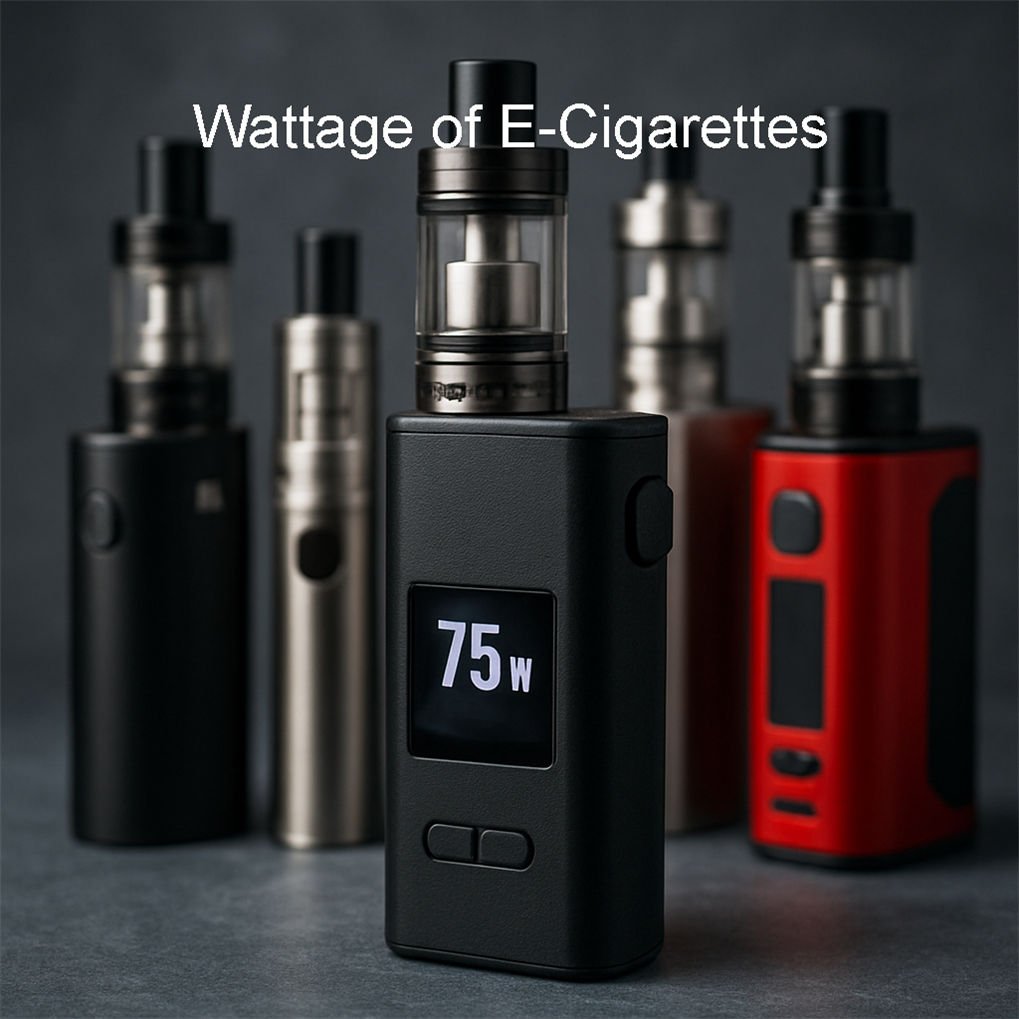
Adapting resistance and power Low-resistance resistors (sub-ohm) are suitable for direct vaping at high wattage, producing a large quantity of vapor; high-resistance resistors are suitable for mouth-to-mouth vaping at low wattage, simulating the experience of a traditional cigarette.
Heating wire features :
- Kanthal Durable, stable and suitable for power modes.
- SS316L Compatible with power and temperature modes, offering fast heating response.
- Ni200/Ti : Commonly used in temperature mode, offering precise control.
- Advantages of mesh resistors Large heating surface, more complete atomization of the e-liquid and reduced risk of localized overheating and dry combustion.
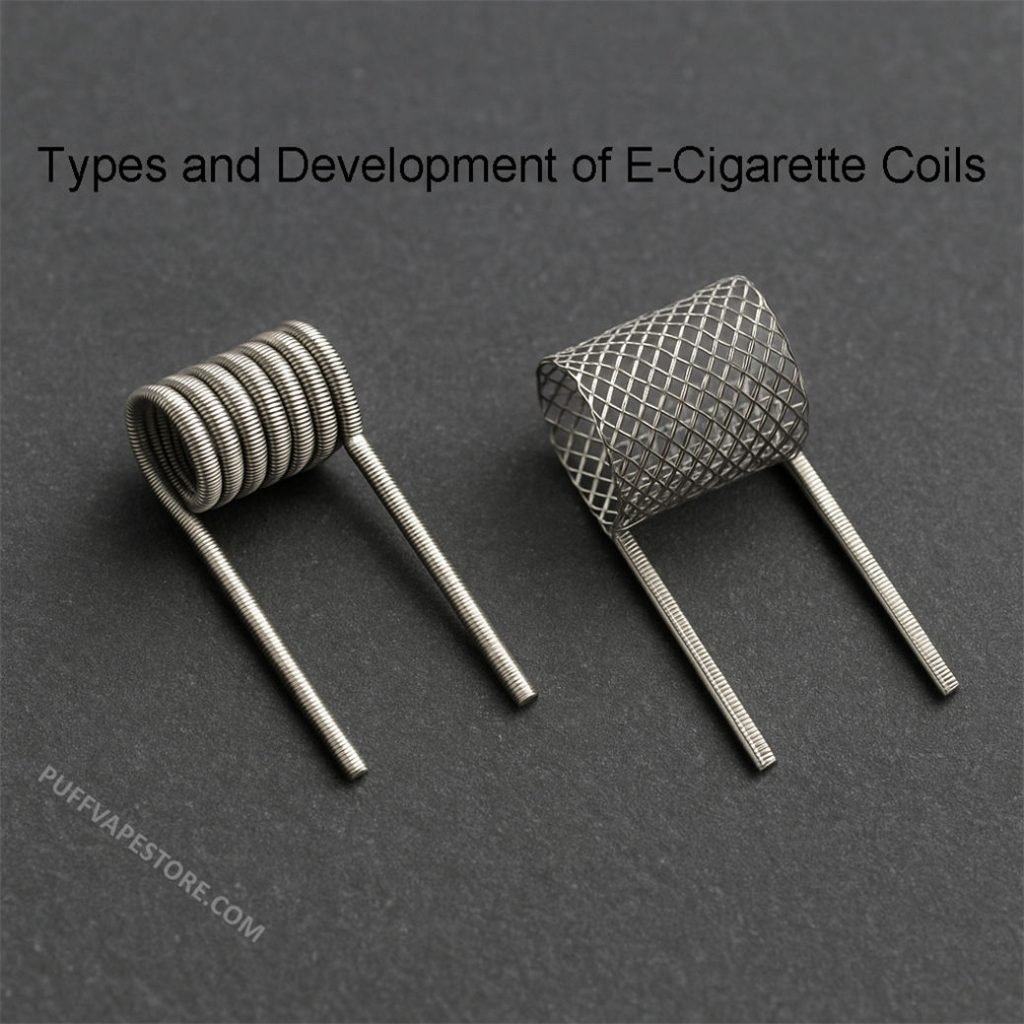
Types and developments of resistors for electronic cigarettes
1.traditional round-wire resistor
The name «electronic cigarette resistor» comes from the old spiral heating wire model. This wire is generally made of nickel-chromium alloy (Kanthal), stainless steel (SS316L), titanium (Ti) or nickel (Ni200), rather than ordinary steel. This wire is wound spring-like around a wick. The electric current heats the e-liquid adsorbed in the wick, creating atomization.
- Benefits Simple structure, low cost and easy to manufacture.
- Disadvantages Reduced heating surface, uneven heat distribution, tendency to hot spots, resulting in wick burns and loss of flavor, and relatively short service life.
2.mesh resistance
Thanks to advances in atomization technology, mesh resistors have become the standard for modern electronic cigarettes. They use a fine metal mesh as the heating element, in a foil structure that perfectly matches the outer layer of the wick.
Advantages :
- Large heating surface The contact surface with the wick is several times greater than that of traditional spiral resistors.
- Even heating Virtually no hot spots, reducing the risk of localized overheating and dry burns.
- Rapid heating temperature The instantaneous attainment of operating temperature as soon as the machine is switched on enhances flavor fidelity.
- Extended service life Even heating reduces wick ageing.
Adapted from : Particularly suitable for e-liquids with high VG content (high viscosity and high glycerine content) and for those seeking a more intense flavor.
3.special resistor types
Multi-strand braided resistors (Clapton, Fused Clapton, Alien, etc.) These resistors combine several filaments to increase the heating surface and improve e-liquid adhesion. They are often used to rebuild DIY atomizers.
Ceramic heating resistors The heating wires are integrated into a porous ceramic structure, improving durability and preventing burns. However, aromatic performance varies from model to model.
4.service life and replacement cycle
Whatever the resistor model, the heating element and wick degrade over time due to carbon deposits, dry burning and material ageing.
Finished atomizer resistors generally have a lifespan of 1 to 2 weeks, rising to 3 to 4 weeks with low-sugar e-liquid and reasonable wattage.
Main factors affecting service life :
- Sweetness and a tendency for e-liquid to caramelize (high sweetness accelerates carbon deposition).
- Power used (excessive power can cause rapid charring of the cotton wick).
- Smoking habits (prolonged and frequent use can accelerate aging).
How can I tell if the resistance on an electronic cigarette is burnt out?
The resistor is the main component of an electronic cigarette. It directly heats the e-liquid to produce vapor. A burnt resistor not only affects flavor, but can also considerably degrade the smoking experience. So it's crucial to assess the condition of the resistor as soon as possible. Here are some professional tips and practical advice:
1. Taste
Burnt smell : This is the most obvious sign. If you feel a bitter, burnt or cottony taste on inhalation, the resistor is burnt out.
Faint or unusual steam aroma: If the volume of steam decreases significantly, or the flavor is not as smooth as before, the heating element may be partially burnt or clogged.
2. Changes in steam volume and taste
Reduced steam volume : A burnt resistor can't evaporate the e-liquid completely, resulting in reduced vapor volume.
Irregular or pungent taste: Uneven heating of the heating element or a burnt wick can cause a pungent or unpleasant taste.
3. Visual inspection
Blackening of the resistor : A resistor in good condition should be slightly gold or silver. A burnt resistor will appear noticeably darker or harder.
Carbon deposits or sticky material : A thick, blackened residue on the surface of the resistor indicates that it is burnt out.
Differentiating between dirty and burnt resistors : A dirty resistor may simply have accumulated residues and can be used after cleaning; a burnt resistor cannot be restored and must be replaced.
4. Abnormal user experience
Dry combustion : A feeling of dryness or a low level of e-liquid during consumption is often a warning sign of burning.
Aging resistors : After prolonged use, the cotton wick on the surface of the resistor and the metal wire may wear away, resulting in an abnormal taste.
5. Global assessment techniques
Combine several dimensions : The best approach is to simultaneously observe changes in taste, vision and vapor volume. Any anomaly in any of these indicators should be monitored.
Replace quickly : Once a heating element has burned out, do not attempt to continue using it, as this may alter the flavor or damage the appliance.
Additional tips
- Before using a new resistor for the first time, pre-soak it in e-liquid and leave it for a few minutes to allow the cotton wick to absorb the e-liquid.
- Avoid rapid puffing to give the resistance time to absorb the e-liquid and cool down.
- For power and e-liquid, please follow the resistance recommendations. A high VG content or a sweet e-liquid can accelerate combustion.
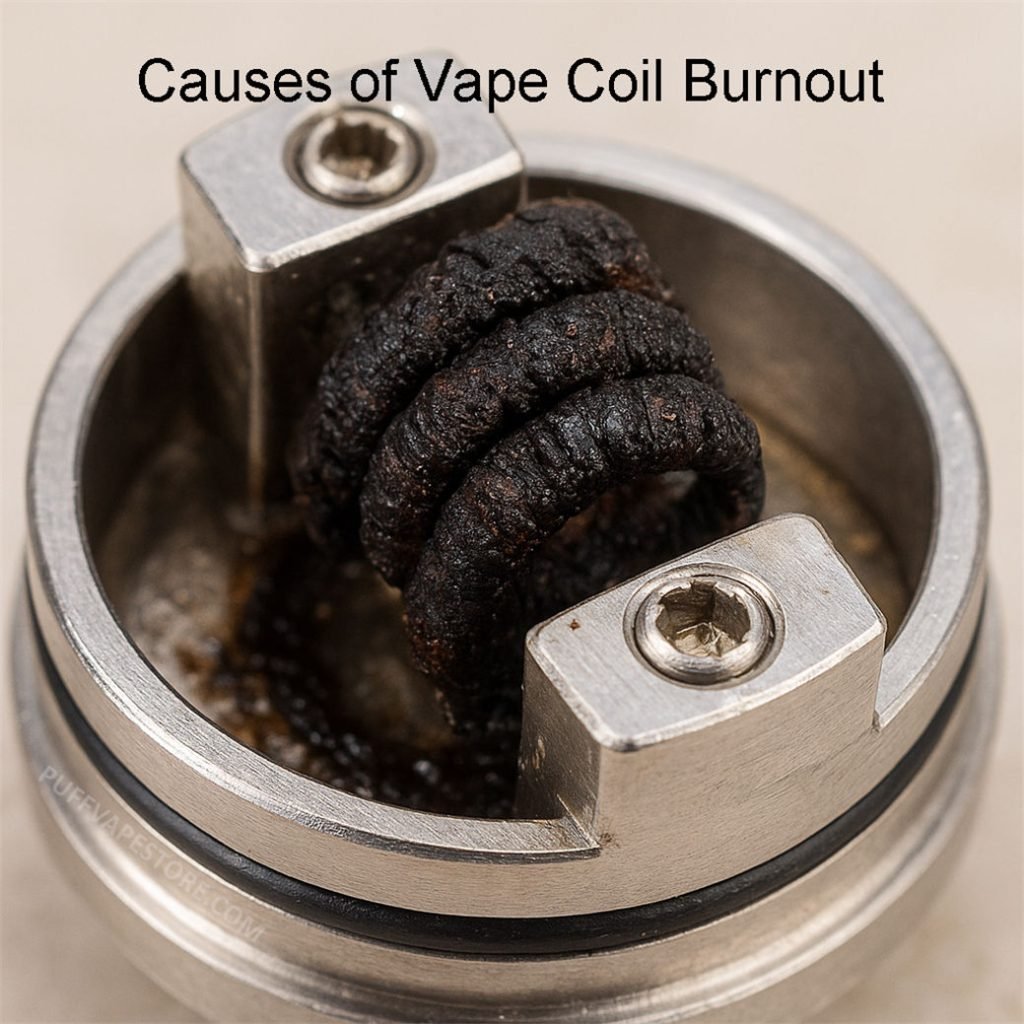
Causes of electronic cigarette resistance failure
The resistor is the main heating element in an electronic cigarette, responsible for vaporizing the e-liquid. Depletion not only affects flavor, but can also lead to device failure.
Resistor exhaustion is often due to a combination of factors: insufficient amount of e-liquid, fast continuous puffs, high wattage, e-liquid characteristics, aging of the resistor or insufficient pre-conditioning. By correctly adjusting wattage, maintaining adequate e-liquid levels, pre-soaking new resistors and controlling puff frequency, you can significantly extend resistance life and reduce burnout.
1. Dry hit
Resistance exhaustion is the most common cause of resistance burnout. When the wick doesn't absorb enough e-liquid, the resistance directly heats the dry cotton, preventing the liquid from vaporizing and producing a strong burnt odor. This usually happens when :
- Continue vaping when the e-liquid level is too low or the cartridge is almost empty;
- Use a new resistor that has not been sufficiently pre-impregnated;
2. Chain smoking
Chain vaping causes the resistor to overheat, preventing the wick from refilling with e-liquid. This high-frequency use can lead to a sharp rise in the temperature of the resistor, accelerating its drying and easily causing it to burn.
3. Excessive power setting
Using a wattage or voltage higher than the resistor's rating can cause the wire to overheat, exceeding the wick's maximum oil absorption rate.
High power settings can accelerate wick charring and resistor ageing, and may even lead to instantaneous combustion.
4. Aging or resistance quality problems
The resistor is a consumable item. After prolonged use, the wick and wire gradually degrade, leading to uneven heating and increased carbon deposits.
Poor-quality or non-genuine resistors are also prone to uneven heating, hot spots and premature combustion.
5. E-liquid characteristics
E-liquids with high VG content or thick liquids: Highly viscous liquids can clog the wick and heating element, causing uneven heating and potentially burning the resistor.
Sweetened or flavored e-liquids: Sugars and flavorings can easily cause carbon deposits during heating, producing a thick, carbonized residue and accelerating resistance wear.
6. Unprepared resistors
If a new resistor is not pre-soaked (by adding a few drops of e-liquid to the cotton wick and letting it sit for a few minutes), using it directly can cause the cotton wick to dry out and the resistor to burn out quickly.
7. Operating habits
Short puffs, prolonged continuous use or frequent high-power vaping can lead to localized overheating of the resistor.
Failure to regularly clean or replace the resistor can also accelerate its depletion due to residue build-up.
Repairing a burnt resistor
Note: Not all resistors are repairable. Prefabricated disposable resistors (such as those in most pod systems) are generally not economically or safely repairable; rebuildable atomizers (RBA/RDA/RTA) are more suitable for resistor maintenance and replacement.
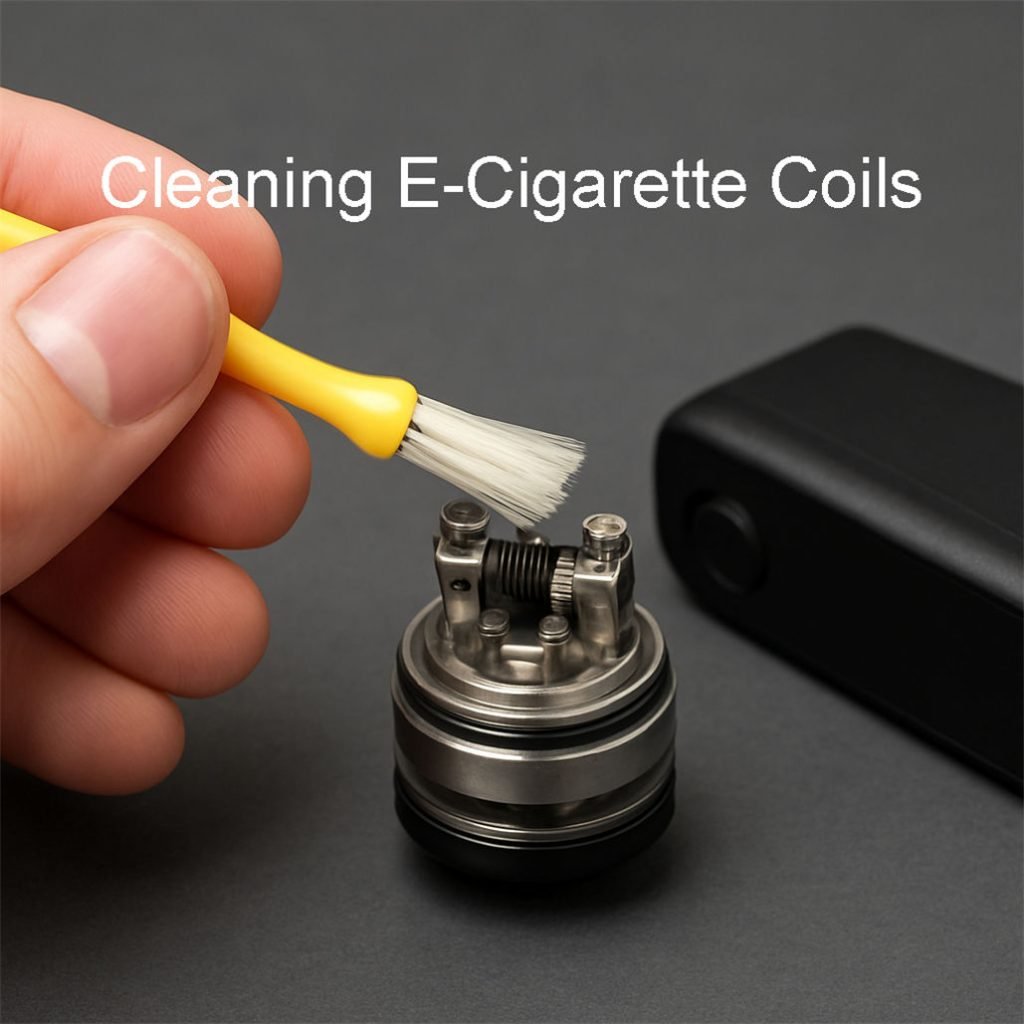
1. Light carbon deposits: Dry cleaning method
Steps :
- Disassemble the atomizer and remove the cotton wick.
- Apply low power intermittently (10 to 15 W) until the resistor turns slightly red.
- Use tweezers to gently scrape off carbon deposits, or rinse with water and dry on low power.
- Replace with a new cotton wick.
Mechanism: Low-temperature oxidation and mechanical cleaning remove the surface carbonization layer.
2. Moderate damage: Replace the cotton wick and clean the heating element.
Suitable for intact resistors with heavy carbon deposits.
Use an ultrasonic cleaner with warm water or an alcohol-free cleaning solution to remove flavor residues.
3. Serious damage : Replace resistor
If the resistor is deformed, broken or shows significant metal fatigue, we recommend rewinding it.
Use a winding rod and pre-wired heating wire (e.g. 0.4 mm Kanthal) to wind the resistor up to the target resistance (e.g. 0.3 Ω), then install a new wick.
Safety instructions
- To avoid short-circuits and burns, disconnect the battery before carrying out any repairs.
- Follow Ohm's law (V = I × R) to ensure that resistance corresponds to power.
- To avoid inhaling metal particles, do not reuse resistors whose metal is highly embrittled.
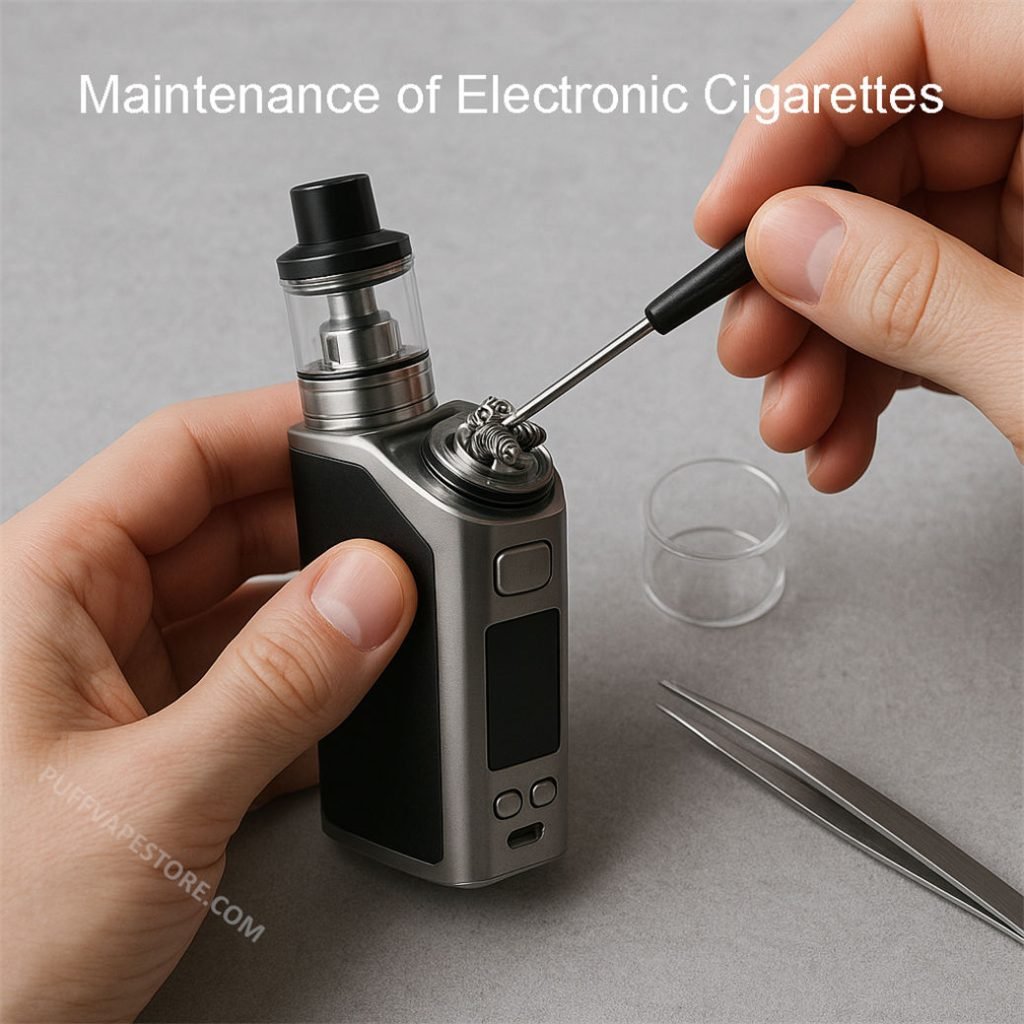
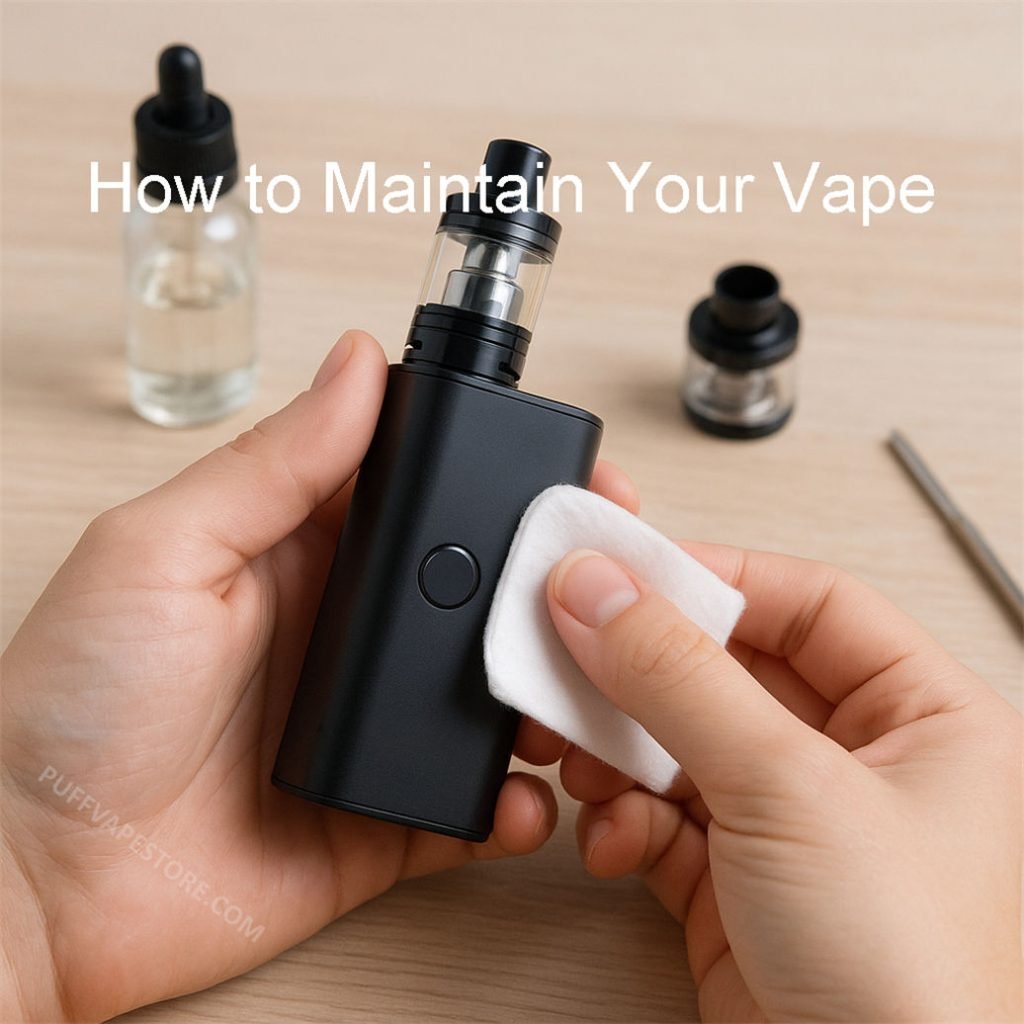
General maintenance of electronic cigarettes and prevention of resistance overheating
If an electronic cigarette resistor gives off a burnt smell, or if vapor production decreases, it may be partially or totally burnt out. Although disposable resistors are designed to be irreparable, proper maintenance can extend their life and reduce waste in some cases. Here are some professional repair methods and tips:
1. Check e-liquid level
The main cause of heating element overheating is often dry combustion or insufficient wick absorption:
- Steps: Make sure the e-liquid tank or cartridge contains enough liquid, ideally at least a quarter.
- Reason: A sufficient quantity of e-liquid resaturates the wick, allowing the resistor to resume vaporization.
- Tip: After filling the tank with e-liquid, let it stand for 2-5 minutes to allow the wick to absorb completely.
2. Resistor pre-wetting
New or partially burnt heating elements require rewetting of the wick:
- Place a few drops of e-liquid on the wick of the resistor, ensuring that the liquid penetrates deeply.
- Leave for a few minutes to allow the liquid to saturate the wick completely and prevent further dry-burning.
3. Control the frequency of your puffs
Avoid chain-smoking:
- Pause for 3 to 5 seconds between puffs to allow the resistor to cool and reabsorb the e-liquid.
- This prevents the resistor from overheating, speeds up e-liquid absorption by the wick and reduces the risk of further combustion.
4. Adjust power
If your electronic cigarette is equipped with a power setting :
- Reduce power to the recommended range indicated on the resistor label.
- Avoid exceeding the resistance rating, as this will quickly burn the wick and wire.
5. Clean resistor (removable resistors)
Cleaning removable heating elements can extend their life:
- Carefully remove the resistor.
- Soak the heater in warm water or white vinegar for several hours to dissolve tar and residues.
- Rinse thoroughly under running water to remove any residue.
- Allow to air dry completely before reinstalling.
Note: Heavily burned resistors are generally beyond repair; cleaning can only delay wear or improve taste.
6. Choose the right e-liquid
Avoid prolonged use of e-liquids with a high VG content, very sweet or rich in flavorings, as they can easily cause carbon build-up and clog the wick.
After repairing the resistor, you can temporarily use a lighter, low-VG e-liquid to help the resistor recover.
7. Replace resistor regularly
Even after repair, the life of the resistor is limited:
- We recommend replacing the resistor every 1-2 weeks or once a month (depending on frequency of use).
- Using compatible, high-quality resistors can reduce the risk of burning and improve flavor.
To repair a burnt-out resistor, it's essential to refill the e-liquid tank, pre-moisten the wick, control the frequency and strength of your cigarette, and carry out a proper cleaning. For single or severely burnt resistors, repair only delays wear; the best approach is to replace them regularly with high-quality resistors.
Tips for prolonging the life of your electronic cigarette resistors
1. Suitable power range
Use the wattage recommended by the atomizer manufacturer and avoid excessive temperatures.
2. E-liquid selection
Choose e-liquids with less sugar and caramel to reduce carbon build-up.
3. Regular maintenance
Perform a light dry cleaning every 2-3 days (RBA models only) to keep the heating surface clean.
4. Pre-soak the cotton wick before use.
Newly installed cotton wicks should be pre-soaked with a drop of oil and left to rest for 5-10 minutes before use.
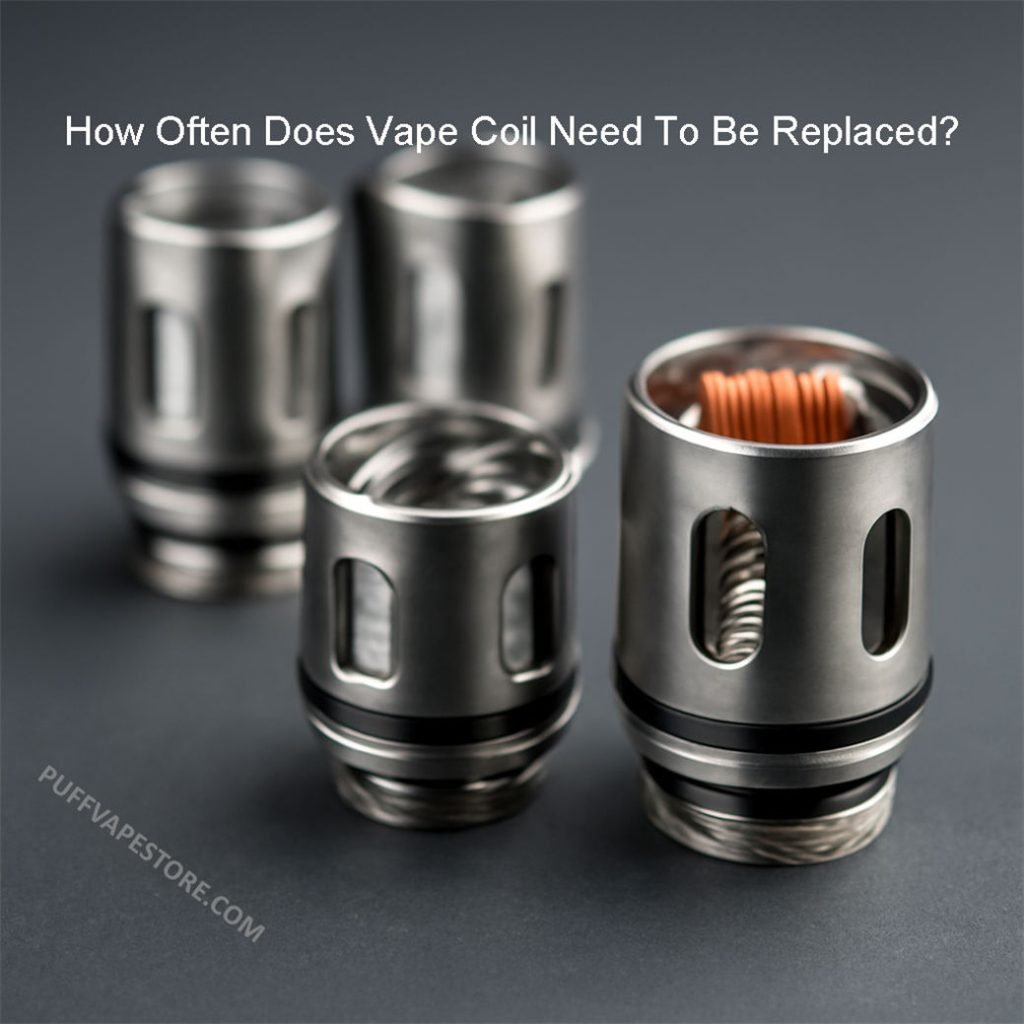
How often should an electronic cigarette resistor be replaced?
Electronic cigarette resistors have no fixed lifespan. Their lifespan depends on various factors, including frequency of use, type of e-liquid, wattage, resistor material and construction. Understanding these factors can help you determine when to replace your resistors to maintain optimum flavor and vapor flow.
1. Frequency of use and e-liquid consumption
The lifespan of a resistor is generally directly related to the amount of e-liquid consumed. Frequent users who smoke large quantities of e-liquid on a daily basis will see their resistor degrade more quickly, while occasional users can extend its life. Generally speaking, a noticeable reduction in flavor or vapor flow indicates that the resistor is nearing the end of its life.
2. Type of e-liquid
- E-liquid with high VG content: High viscosity facilitates the formation of residues on the wick and resistor surface, leading to clogging and localized overheating, accelerating resistor degradation.
- Sweet E-liquid : Sweeteners carbonize easily, forming black deposits, which can also reduce resistance life.
- E-liquid low in VG or light : Evaporates quickly, produces less residue and is relatively longer-lasting.
3. Power settings
High power and rapid heating of the resistor can lead to liquid absorption in excess of the wick capacity, resulting in evaporation and combustion.
Prolonged use of low wattage can lead to incomplete atomization of the e-liquid, resulting in carbon deposits on the wick and resistor, which can also affect flavor.
Recommendation: Try to use the wattage recommended by the manufacturer and adjust it according to your type of e-liquid and your smoking habits.
4. Resistor material and construction
- Material : Resistance materials such as stainless steel, nickel, titanium and Kanthal have varying heat resistance and service life.
- Construction : Mesh resistors generally last longer than traditional spiral resistors thanks to their uniform heating.
- Thickness and diameter : Thicker resistors are generally more durable, but require more e-liquid.
5. Reference replacement cycle
For the average user : With proper preheating, medium power and regular e-liquid, the resistor generally lasts between 5 and 2 weeks.
For frequent use or an e-liquid rich in VG/sweet : A replacement may be necessary every 3 to 5 days.
For less frequent use and a lighter e-liquid : This condition can persist for more than two weeks without the resistor functioning normally.
6. Key indicators for determining replacement :
- Significant reduction in steam volume
- Slight burnt or unpleasant taste
- Abnormally slow e-liquid absorption, blackening of cotton wick or black deposits
- Blackening, hardening or noticeable residue on resistance
Advice : Even if the resistor isn't completely burnt out, replacing it early can dramatically improve the flavor and vaping experience. Maintaining a regular replacement habit is much healthier and more comfortable than waiting until it's completely burnt out.
Disposable electronic cigarettes make life easier.
Have you ever been frustrated by a burnt-out heating element? Disassembly, cleaning and replacement: each operation takes time and effort. Sometimes you just want to relax and enjoy a puff at any time, without the hassle of repairs.
We now offer the ideal solution: disposable electronic cigarettes.
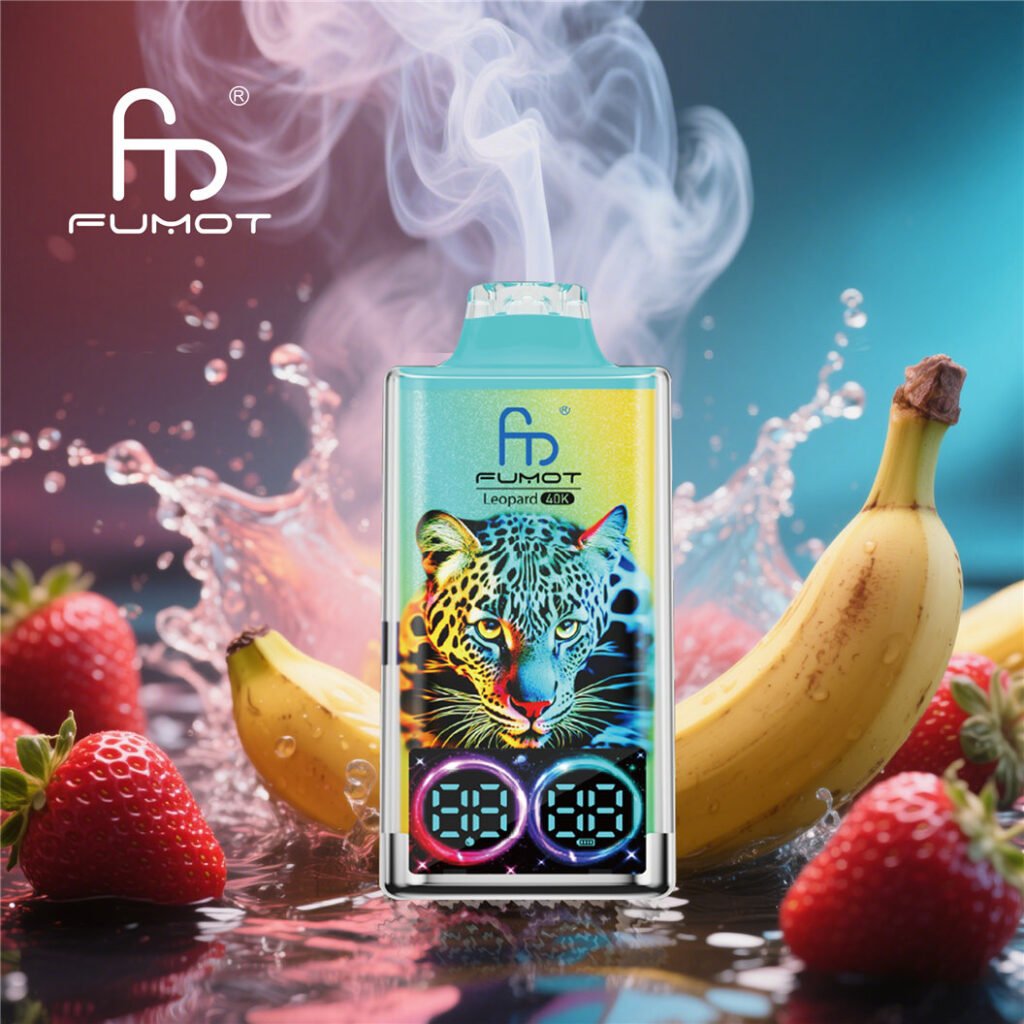
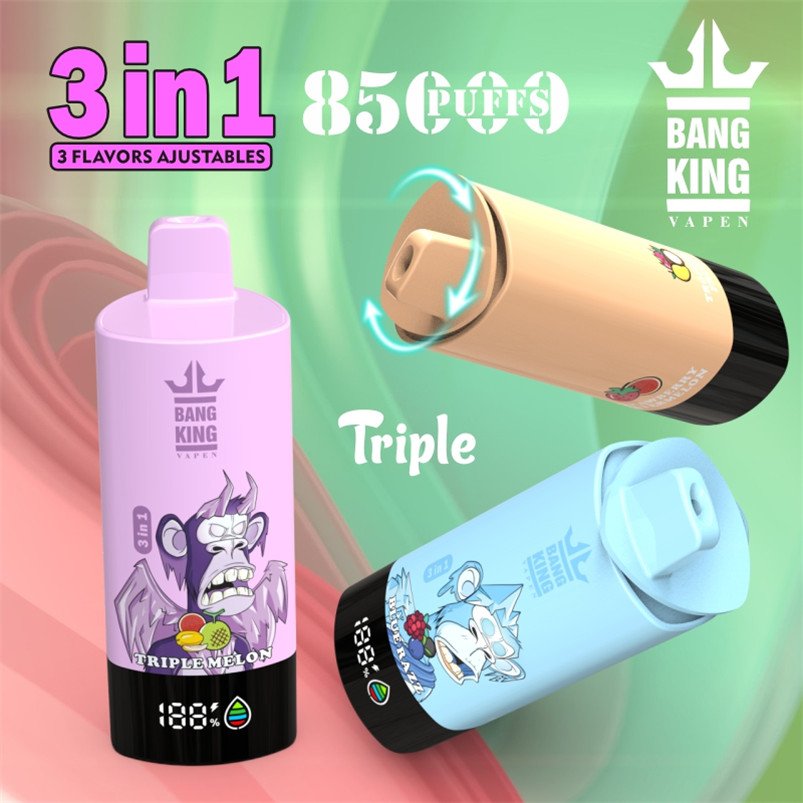
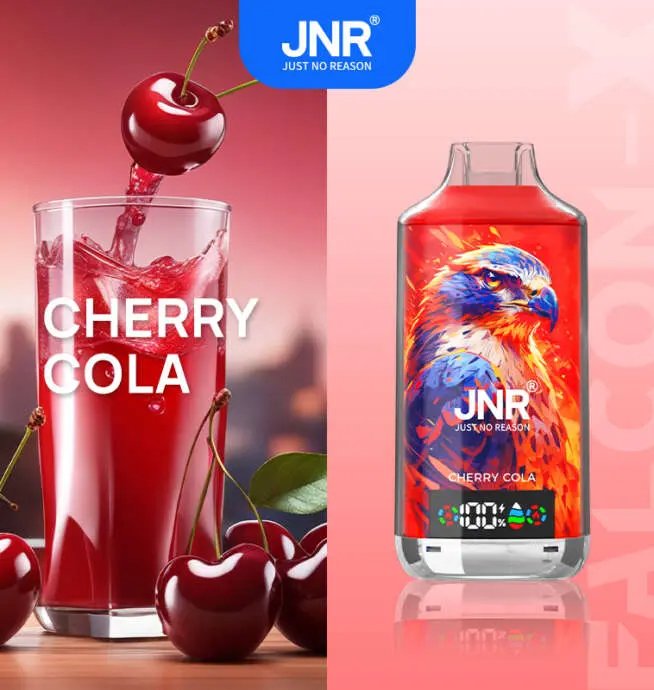
1. ready to use right out of the box, no repairs required.
Our brands include RandM Tornado, Bang King and JNR. Each disposable electronic cigarette undergoes rigorous testing. Taste and vapor volume are optimized for you, so you can take it out and use it right away without worrying about burnt resistors or leaks.
2 A wide variety of flavours to suit your needs.
From classic tobacco to refreshing mint, tropical fruit and sweet cream, every puff is a meticulously crafted taste experience. Whether you're a novice user or an e-cigarette enthusiast, our product range has what you need.
3. lightweight and portable, you can vape wherever and whenever you want
No need to carry chargers, e-liquid or accessories; this compact disposable electronic cigarette lets you vape whenever you want. Whether you're on the move, at a party or traveling, it slips easily into your pocket and lets you vapour wherever and whenever you like.
4. safe, reliable and of guaranteed quality
Each disposable electronic cigarette undergoes rigorous quality testing, guaranteeing safe materials and stable performance, for total peace of mind. Say goodbye to manual repairs and enjoy a worry-free vaping experience.
Don't worry about burnt-out resistors and choose a disposable electronic cigarette from the following brands RandM Tornado, Bang King or JNR. Simplify your life: take it, inhale and enjoy.